Product Description
As I write this piece, outside it is freezing, foggy with snow predicted courtesy of storm Goretti and I couldn’t be further away from doing any gardening. Yet as the seed catalogues land on my doormat at home, I keep thinking about what I am going to grow in 2026, how I can use each variety in the kitchen, what will be successful and what may not work so well. Spring 2024 was the wettest ever recorded and last year 2025 was the hottest. These unpredictable trends are causing problems not just for farmers and veggie growers with failures – successes too of course because if it’s a good season for one thing, it has to be a bad season for something else! Each year we seem to be breaking a new record which is very worrying yes, but us gardeners are made of stronger stuff and Greater London has more gardens than any other city in the world and we put these personal green spaces to good use nationally, gardens along with allotments. We have a really good vegetable growing culture in the UK as a result and long may it continue.
Batavia Lettuce – An elegant French variety, late with a large, closed head and rounded, ample crunchy leaves with red lacing. It is similar to a traditional Iceberg lettuce, not to be confused with the mass produced Icebergs found everywhere these days, the Batavia is of good quality and wonderful for a Caesar or a Nicoise all summer and into the autumn and indeed, can be sown from March till July.
Semi Plum Tomato Rio Grande - not only can you eat these fresh, but you can preserve them – passata, freeze them, make sauces, bottle them, ketchups and soup. Preserving those bounties is essential during a crisis to see you through those lean months and of course this is the variety used in tinned tomatoes. Rio Grande is super useful because it is determinate growing up to your knee in height, juicy enough to eat, meaty enough to cook with, thin skin and very few seeds inside the fruit. A good allrounder in the kitchen, great in the ground, on a sunny balcony, in a grow bag or container in spring, easy to grow and tomatoes have to be the ultimate taste of the summer, along with basil.
Spinach Andhalu – you can sow iron rich spinach in spring AND in autumn and harvest it in the summer AND again in the winter. You can also freeze cooked spinach for use later in the year and it is full of iron, vitamins and minerals as well as being really easy to grow. Avoid summer sowing as it will bolt and go to seed. My bugbear is supermarket ‘baby leaf’ spinach which appeared overnight almost 10 years ago, it’s a cash crop, grows quickly, mechanically harvested, washed in chlorine solution and sealed in argon gas, it will last a week in the fridge. I get it, true spinach wilts a few days after picking and its not as good for fresh market, but grown at home, the quality is so much better and you are going to use it when you pick it so it’s a no brainer which one you should grow. Sow in Spring for the Summer and in the Autumn for the Winter.
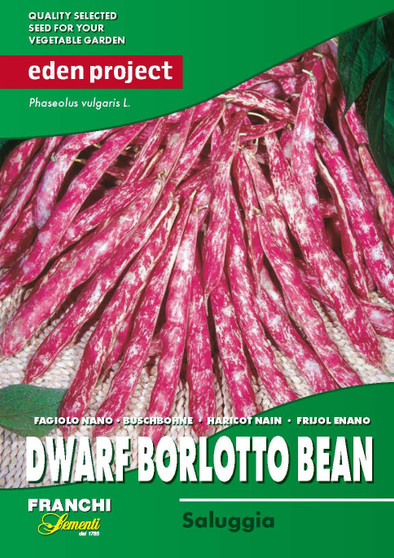
Borlotto Bean of Saluggia – Borlotti are shelling beans that can be frozen, dried or bottled for the winter months. Ideal in stews and soups, they are filling and totally flavoursome and ideal during a crisis when shelves are empty. Sow the whole packet in spring when the weather is warmer so you have more than you can eat fresh, then preserve them. All Borlotto beans come from Northern Italy from the Alps across to the Dolomites which is no accident. Italy is not Naples and the amount of snow and cold means that these humble shelled beans would have been dried to last through the winter along with other summer bounties to sustain and feed your family!
Pumpkin Moscade of Provence – another useful variety to have because Spring sown, you would harvest them late Summer and into the Autumn, Halloween being the classic period, and then they will store somewhere cool dark and airy for much of the winter. Can be roasted, made into delicious soup or boiled, starchy and sweet, they are a wonderful, warming, rustic addition to the winter diet. Again, there was not a supermarket on every street corner 200 years ago like there is now! Things like pumpkins were versatile in the kitchen from soups to sweet Parmesan cheese and pumpkin ravioli. In Italy it would be called ‘Cucina Povera’ or peasant / poor food – simple recipes using very few, but the best ingredients.
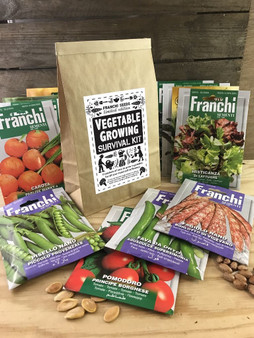
This lovely concise mix of regional and useful varieties will be welcome in any allotment or vegetable plot and is yours for just £12.50 including P&P, a saving of £4.44